
There’s a certain magic to it. The weight of a heavy clay poker chip, the soft thwack of a well-worn deck hitting a felt table, the flicker of a neon sign promising fortune. For a growing number of collectors, that magic isn’t found in a modern casino resort—it’s captured in the history and tangible artifacts of gambling’s past. The market for vintage casino memorabilia and paraphernalia is, well, hot. Let’s dive into its rich history and explore what makes this niche so compelling.
From Souvenir to Serious Investment: A Brief History
It started, as many collecting trends do, with simple souvenirs. A visitor to Las Vegas in the 1950s might pocket an ashtray or a matchbook as a token. These items were ephemera, meant to be used and discarded. But as the iconic casinos of the mid-20th century began to disappear—dynamited to make way for ever-larger mega-resorts—their physical remnants gained a new significance. They became relics of a grittier, more romanticized era.
The real turning point for the vintage casino memorabilia market was the implosion of the Dunes in 1993. Suddenly, people realized these places weren’t permanent. A rush to salvage items from doomed properties began. Everything from signage and slot machines to furniture and dice was auctioned, creating a legitimate marketplace and setting values. Collectors weren’t just hoarding trash; they were curating history.
What’s in the Collection? Key Categories of Paraphernalia
The range of collectible items is vast, but they generally fall into a few key categories. Each has its own appeal and, honestly, its own quirks in the market.
1. The Heavy Hitters: Chips & Tokens
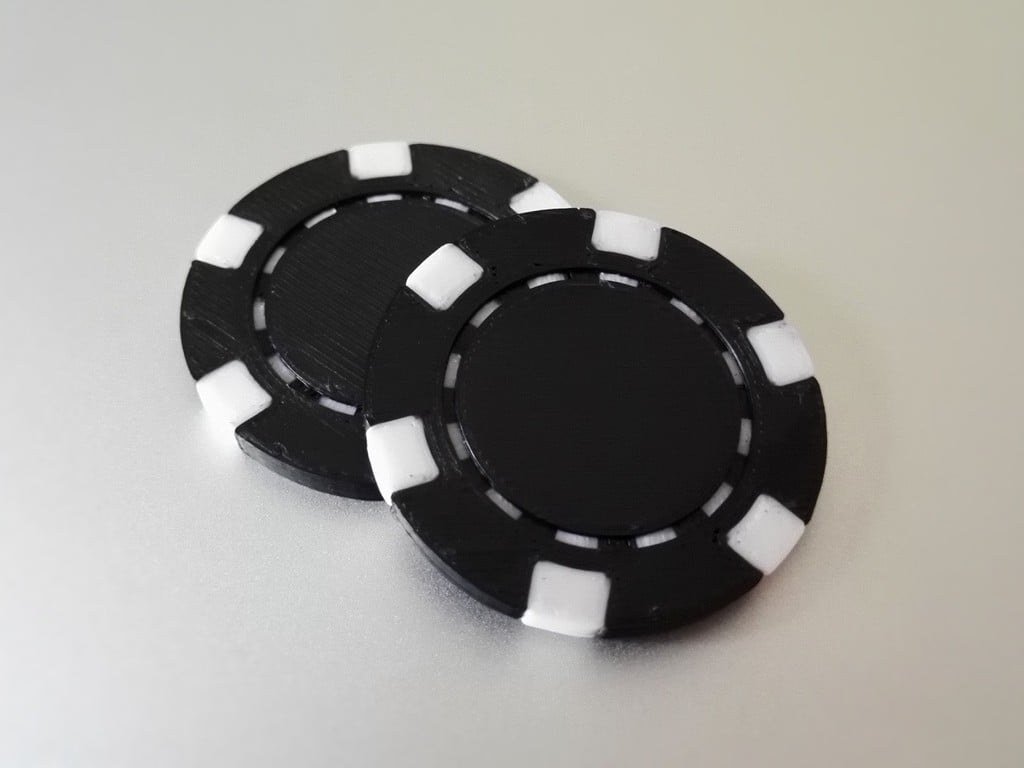
Perhaps the most accessible entry point. Casino chips, especially from defunct properties, are miniature works of art and history. Their value hinges on rarity, condition, and the casino’s lore. A standard chip from the Stardust might go for $5, while a rare high-denomination “showpiece” chip from the Sands could fetch hundreds. Tokens, used for slots and promotions, follow similar rules.
2. Playing Cards & Dice
Sealed, unopened decks from historic casinos are highly sought after. They’re a time capsule. Dice, particularly “cancelled” dice (drilled or marked by the casino to prevent reuse), tell a story of regulation and use. Look for crisp, clear logos and that perfect, unyielding factory seal on a deck.
3. Signs & Neon
This is the big-ticket, statement-piece territory. A vintage slot machine sign or a fragment of iconic neon can command thousands. They’re not just collectibles; they’re transformative decor. The pain point here? Size and authenticity. Reproductions abound, and shipping a 10-foot neon sign is, you know, a logistical nightmare.
4. Ephemera: The Paper Trail
This category includes matchbooks, ashtrays, gaming guides, menus, and postcards. It’s often more affordable but requires a keen eye for condition and design. A 1960s Flamingo matchbook with vibrant graphics might tell a richer story than a generic modern chip.
Navigating the Market: Trends, Values, and Pitfalls
So, how do you actually buy or sell this stuff? The market has matured dramatically. Gone are the days of solely relying on dusty antique shops. Here’s the deal on the current landscape.
Online auctions are king. Platforms like eBay and dedicated gambling auction houses have globalized collecting. You can find anything, but you must be savvy. Research is non-negotiable. Check seller ratings, ask for detailed photos of any damage (called “cancellations” on chips, “crazing” on clay, or “rust” on metal), and know the fair market value before bidding.
Current trends show a surge in interest for items from the Rat Pack era (1950s-60s Las Vegas) and anything from mob-connected casinos with a notorious backstory. The mystique adds value. Meanwhile, memorabilia from more recently closed casinos like the Riviera or The D.C. Lottery is already entering the market, showing how quickly the cycle turns.
Be wary of fakes. Reproduced chips, especially for famous casinos, are common. Authentic vintage items will show honest wear. A chip that looks brand new from 1945 is a red flag. And always, always factor in provenance—a documented history of an item’s origin can double its value or more.
| Item Type | Key Value Drivers | Watch Out For… |
| Clay Poker Chips | Casino era, denomination, rarity, edge spots | Counterfeits, excessive wear, cleaned/dulled edges |
| Neon Signs | Design, working condition, casino fame | Restoration quality, electrical issues, reproductions |
| Playing Cards | Sealed condition, age, casino logo | Resealed packs, sun fading, broken seals |
| Matchbooks & Ashtrays | Graphic design, condition, historical period | Cracks, chips, smoke damage, common designs |
More Than Just Stuff: Why We Collect
At its heart, collecting vintage casino memorabilia isn’t really about investment potential. Sure, some items appreciate, but that’s not the core pull. It’s about connection. Holding a chip that might have been pushed across a table by Frank Sinatra. Owning a die that tumbled in a craps game the night someone’s luck changed forever. It’s about preserving the aesthetic—the bold fonts, the atomic age patterns, the glamorous illustrations—of a bygone entertainment era.
These objects are touchstones to stories of risk, reward, and revelry. They represent a tangible piece of American pop culture history, one that was often conducted in the shadows but is now celebrated in the light of a collector’s display case.
That said, the market’s energy is undeniable. It’s a passionate community where a forgotten ashtray finds a new home as a treasured artifact. The next time you see a vintage chip, don’t just see a piece of plastic or clay. See a tiny, weighty fragment of a story. And who knows? That story might just be worth collecting.