
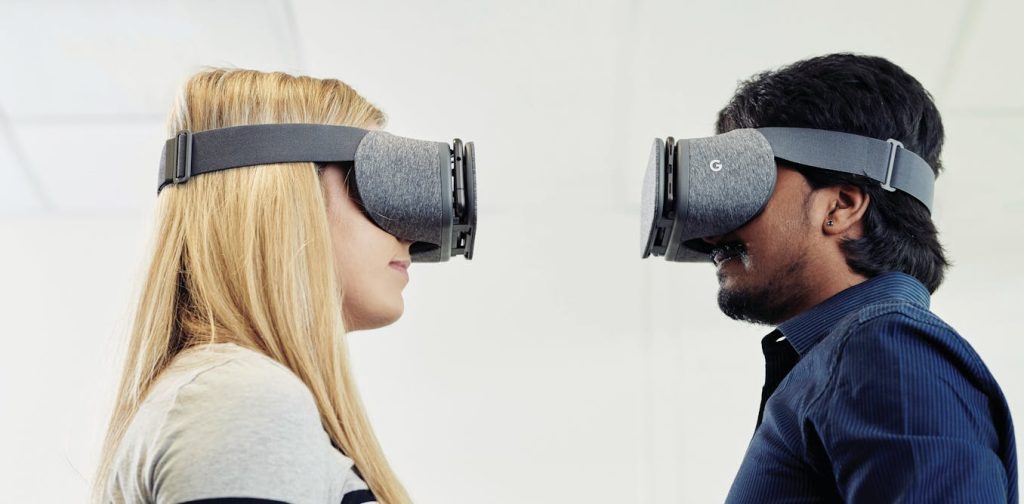
Let’s be honest. The idea of a “VR casino” right now probably conjures up a pretty basic image. You put on a headset, you see a slot machine or a blackjack table in 3D, and you click a virtual button. It’s neat, sure, but it’s not exactly revolutionary. It’s just… a game, in a headset.
But here’s the deal: that’s just the clunky demo version. The real future of VR casinos isn’t about replicating a solitary online gambling session. It’s about building persistent, social worlds where the environment and the people in it are the main attraction. The games? They’ll be the activity you do while you’re hanging out in a breathtaking, impossible space with friends from across the globe.
Beyond the Game: The Rise of the Social Casino Metaverse
Think about why people go to real, physical casinos. Sure, gambling is a part of it. But it’s also about the energy. The clinking of glasses, the murmur of a crowd, the shared groan at a near-miss on the roulette wheel. It’s a social experience. Current online casinos—and even most VR prototypes—completely strip that out.
The next wave is changing that. We’re moving towards integrated social VR platforms. Imagine this:
- You and your friend, living in different countries, put on your headsets and “meet” at the virtual lobby of “The Celestial Grand.”
- You can see each other’s full-body avatars, complete with real-time gesture and lip-sync. You can high-five, toast with a digital champagne flute, or just lean on a virtual balcony together.
- You decide to hit the high-stakes poker room, not by clicking a menu, but by walking through a stunning, art-deco hallway, hearing the chatter get louder as you approach.
- At the table, you can read the subtle (or not-so-subtle) body language of other players. A nervous tap of fingers. A confident lean back. It adds a layer of psychological gameplay that’s been missing since the move online.
This isn’t just playing a game. It’s inhabiting a shared space. The casino becomes a destination.
Immersive Environments That Steal the Show
And what destinations they’ll be! Future VR casinos won’t be bland rooms with carpet textures. We’re talking about full-blown thematic, immersive environments that are attractions in themselves.
| Environment Concept | Immersive Elements & Gameplay Twist |
| Ancient Temple Ruins | Play blackjack by torchlight. “Wild” symbols on slots could be animated relics. The room might subtly “rumble” during a bonus round. |
| Neo-Tokyo Sky Lounge | Hovercars zip by floor-to-ceiling windows. Digital dealers are holograms. Games have a sleek, cyberpunk aesthetic with synthwave soundtracks. |
| Underwater Atlantis Dome | Marine life swims past the transparent walls. Sound is muffled and serene. Roulette wheels might be made of glowing coral. |
| Private Space Station | View of Earth from orbit. In zero-gravity “lounges,” chips and cards float gently. A high-roller suite might feature a spacewalk balcony. |
The point is, the environment will directly influence your mood, your stay, and even the mechanics of the games. It’s experiential design at its peak. Why just spin a slot when you can trigger a bonus round that transforms the entire room around you into a mini-game?
The Tech Making It Feel Real (And Why It Matters)
None of this happens without serious tech evolution. We’re not quite there yet, but the path is clear. Key developments will include:
- Haptic Feedback Suits & Gloves: Feeling the weight of virtual chips, the texture of cards, or the pull of a slot lever. This tactile layer is huge for immersion—it moves you from observing an action to performing it.
- Advanced Facial & Eye Tracking: Your avatar’s expression mirrors your own. Blinks, smiles, raised eyebrows. This builds social presence and trust—or allows for masterful bluffing. It’s a game-changer for poker, honestly.
- Spatial Audio: Hearing the craps table erupt to your left, a quiet conversation from a booth behind you, and ambient music that fades as you walk into a private salon. Sound tells you where you are and what’s happening around you.
- Persistent Worlds & Digital Identity: Your avatar, your reputation, your custom VIP lounge—it all persists. You’re not logging into a game; you’re returning to a place where you might bump into the same regulars at the bar.
Addressing the Elephant in the (Virtual) Room
Okay, let’s pause. With this level of immersion, responsible gambling becomes more critical than ever. The industry’s future depends on getting this right. We’ll likely see:
- Integrated well-being features: Avatar-driven “cool-down” reminders, mandatory breaks that lock you into a calming virtual garden, and spending limits that are harder to ignore when your friendly virtual host is reminding you.
- Enhanced age & identity verification: Biometric logins might become standard to ensure the person in the headset is the verified account holder.
- The social aspect itself could, paradoxically, be a moderating force. Playing with identifiable friends in a shared space might encourage more social accountability than anonymous, solitary clicking.
Not Just a Niche: The Broader Appeal
This evolution actually broadens the appeal. The target audience shifts from just “gamblers” to “people seeking unique social and entertainment experiences.” You might log in primarily to attend a virtual concert on the casino’s rooftop, with a famous DJ and fireworks over the digital skyline. The games are just… there, as an option.
Brands could host corporate events in these spaces. You could have a date night at a virtual high-limit room, just for the ambiance. The VR casino becomes a multipurpose social hub, with gambling as one of many activities. That’s a fundamental shift.
The Final Bet
So, the future of VR casinos isn’t really about casinos at all. Not in the traditional sense. It’s about leveraging cutting-edge technology to rebuild something we lost in the move to digital isolation: the atmosphere.
It’s the chill of excitement walking into a vibrant, crowded room. The unspoken conversation with a dealer. The shared story you’ll tell about that crazy night at the virtual baccarat table where the room turned into a jungle. The technology is finally catching up to the human desire to connect, to play, and to be somewhere extraordinary—together. And when that happens, the basic gameplay will just be the starting point.