
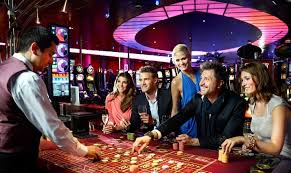
Let’s be honest—when you think of betting, you probably picture a glitzy casino in Las Vegas or a quick bet on a football match online. But here’s the deal: that’s just one tiny slice of a massive, wonderfully diverse global pie. Across the world, the act of staking something on an uncertain outcome is woven into the very fabric of cultures, often with rituals, rules, and meanings that go far beyond simple profit.
It’s not just about the game. It’s about community, luck, spirituality, and sometimes, pure spectacle. So, let’s dive into how different cultures approach this age-old human impulse. You might be surprised.
East vs. West: A Philosophical Divide
At a broad level, the cultural differences in global betting traditions often split along East-West lines. In many Western traditions, betting is largely framed as a form of individual entertainment or a test of personal skill—think poker or sports analytics. The focus? The self, the strategy, the win.
Contrast that with many Eastern traditions, where betting is frequently tied to communal events, festivals, and even spiritual beliefs. The outcome isn’t just money; it’s a sign, an omen, or a way to participate in a shared cultural moment. This isn’t a hard rule, of course, but it’s a useful starting point.
China: The Red Envelope and Games of Luck
In China, gambling is officially prohibited, yet the cultural practice is ancient and nuanced. During Chinese New Year, for instance, the giving of “hongbao” (red envelopes with money) is a form of transferring luck and blessings, a soft, socially-sanctioned bet on future prosperity.
Then there’s Mahjong. Sure, it’s a game of skill and calculation, but when played for small stakes among family, it transforms. It becomes a social lubricant, a way to bond, and a ritual that honors fortune itself. The clacking of tiles isn’t just sound—it’s the soundtrack to a cultural tradition where luck is a tangible force to be respected.
Britain: The Bookmaker and the “Punt”
Now, hop over to the UK. Betting is ingrained in a different way. The high-street bookmaker is as British as the pub. Here, the “punter” is a celebrated figure. Betting on horse racing—the “Sport of Kings”—carries a peculiar blend of class analysis and everyman passion. It’s less about mystical luck and more about form, pedigree, and that gut feeling you get studying the rain-sodden track at Cheltenham.
The language itself is telling. It’s a “flutter.” A “bit of a punt.” The terminology downplays the risk, framing it as a casual, almost inevitable part of enjoying the sport. It’s a deeply normalized, if heavily regulated, pastime.
Festivals, Faith, and Flamboyant Wagers
This is where it gets really fascinating. In many cultures, betting is an inseparable part of celebration.
India: Diwali and Dice
In India, particularly in the north, it’s considered auspicious to gamble on Diwali. The legend goes that Goddess Parvati played dice with her husband, Lord Shiva, and decreed that whoever gambled on Diwali night would prosper throughout the year. So, families gather, play card games like Teen Patti for token amounts, and laugh together. The point is the ritual, the invocation of luck for the year ahead—not the money.
Spain & Mexico: The Rooster Lottery
Then consider Spain’s “El Gordo” (The Fat One) Christmas Lottery, and its Mexican cousin, “Sorteo de Navidad.” These are less bets and more national institutions. People buy shares of tickets, not in isolation, but as offices, families, and whole towns. The draw is a days-long televised event with singing children. Winning is dreamt of, but participating? That’s mandatory. It’s a cultural purchase, a ticket to being part of a shared hope.
Animal Competitions: A Controversial Tradition
This is a trickier, often controversial area. Animal-based betting traditions are deeply rooted but increasingly clash with modern views on welfare.
| Tradition | Region | Cultural Context & Modern Shift |
| Cockfighting | Parts of Southeast Asia, Latin America | Seen as a test of bravery and a centerpiece for village festivals. Facing global bans and declining acceptance among younger generations. |
| Camel Racing | Gulf States (UAE, Qatar) | A historic Bedouin tradition celebrating prestige and heritage. Modernized with robot jockeys, shifting from a purely cultural event to a major, regulated betting sport for enthusiasts. |
| Palio di Siena | Italy (Siena) | A bareback horse race between city districts. Bets are fierce but hyper-local, tied to neighborhood pride and medieval identity more than financial gain. |
These examples show how traditions evolve—or resist evolution—under global scrutiny. The pain point here is real: balancing cultural heritage with contemporary ethical standards.
The Digital Homogenization… and Resistance
Today, online global betting platforms are creating a kind of universal language of odds and in-play markets. You can bet on everything from anywhere. This is, in a way, eroding those deep cultural differences. A bet in Norway looks a lot like a bet in New Zealand when it’s placed on the same app.
But—and this is a big but—the cultural heart of betting traditions pushes back. The why behind the wager remains stubbornly local. An Indonesian might bet on a badminton match with a fervor a Texan reserves for football. A Japanese “pachinko” parlor, with its unique blend of gaming and prize-redemption (a workaround for gambling laws), offers an experience you simply can’t replicate online. The noise, the lights, the tactile feel of the machines—it’s a cultural artifact.
So, what’s the takeaway from all this? Well, it’s that money is often the least interesting part of the story. A wager can be a prayer for luck, a ticket to belonging, a nod to ancestors, or a weekly ritual with friends. It’s a lens through which to view what a society values: individual prowess or communal fortune; silent strategy or boisterous celebration; the future, or the sacred past.
As the world gets smaller, these traditions remind us that our ways of playing, and hoping, are beautifully, chaotically diverse. They’re not just placing bets. They’re telling their story.